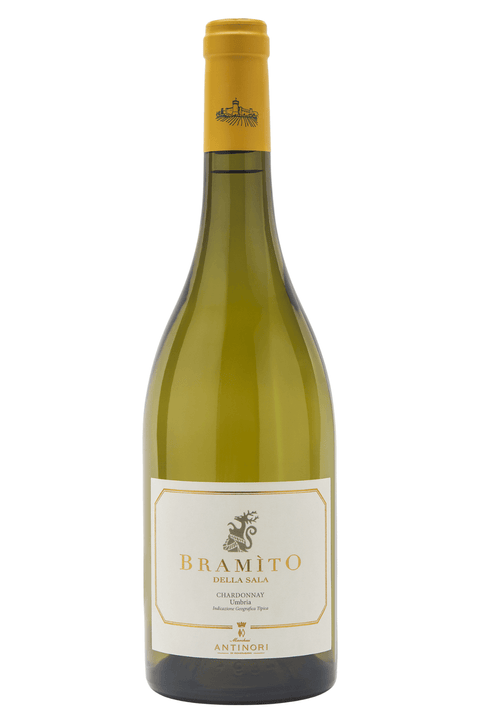
Bramìto della Sala Umbria IGT 2024 Castello della Sala Antinori
Marchesi Antinori Vintage : 2022
Format : 750ml
Graduation : 12.5%
Origin : Umbria
Temperature : 8-10°
Color : Straw Yellow
Name: Bianco Umbria IGT
Notes : Notes of white flowers, slightly citrusy hints. The taste is crisp, full-bodied. Excellent minerality on the finish that makes it slightly savoury.
Bramito is born from the vineyards of the ancient Castello della Sala. A variety, Chardonnay, which finds in this particular terroir, a soil deriving from fossil sediments with clay infiltrations, an expression of marked minerality and elegance.
Vinification & Aging: Upon arrival in the cellar, the bunches were destemmed and softly pressed. The must with its skins was cooled to 10 °C for a short maceration of about 2-4 hours in order to extract and enhance the aromatic profile and
taste of the grapes. Following clarification, which took place in stainless steel vats, the different lots were transferred partly to wood and partly to steel where alcoholic fermentation took place at a controlled temperature of 16-18 °C; only the portion in wood then underwent malolactic fermentation. The wine was then assembled and bottled.
Pairings : Recommended pairings with grilled fish, white meats, first courses with fish sauces.
Scheda tecnica +
Note di degustazione +
Giallo paglierino. Note di fiori bianchi e sentori leggermente agrumati; al gusto è croccante e corposo, con un'ottima mineralità finale che lo rende leggermente sapido.
Abbinamenti gastronomici +
Pesce alla griglia, carni bianche e primi piatti con sughi di pesce.
Vinificazione e affinamento +
Vinificazione. Breve macerazione a freddo per esaltare gli aromi; il mosto fermenta in parte in acciaio e in parte in legno, dove svolge anche la fermentazione malolattica, prima dell'assemblaggio finale.


